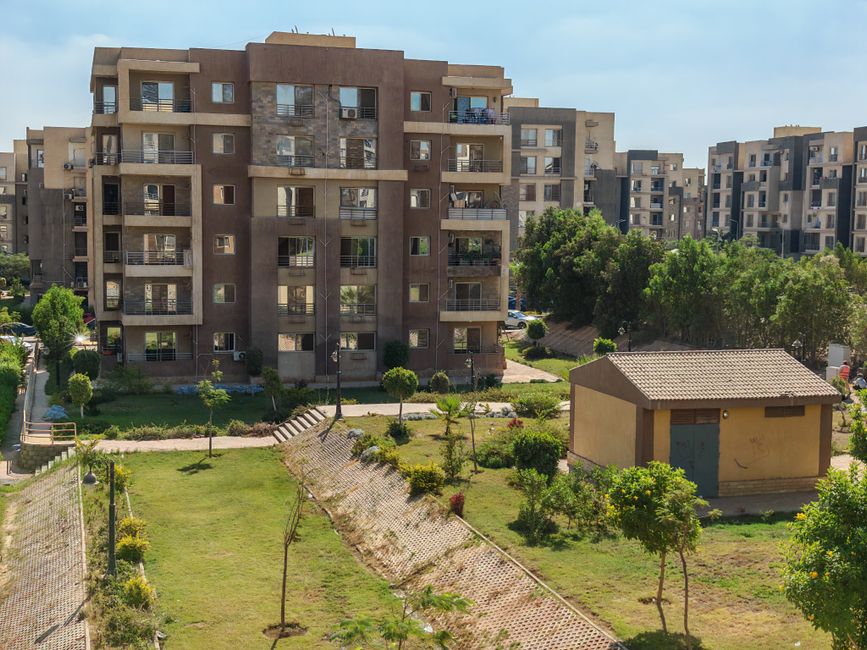
Navigating the path to affordable housing can feel overwhelming, especially when faced with complex programs and unfamiliar acronyms. For millions of Americans, federal and state housing assistance programs are the key to securing safe, stable, and affordable homes. Whether you’re a first-time homebuyer, a family struggling with rent, or someone looking to live in a rural area, understanding the options available is the crucial first step. This guide breaks down two of the most significant programs—Section 8 and USDA Rural Development Loans—along with other essential resources, providing you with the foundational knowledge to explore your housing opportunities.
Understanding the Landscape of Housing Assistance
Housing assistance in the United States is not a one-size-fits-all system. It is a network of programs designed to address different needs, from rental subsidies to homeownership support. These programs are primarily administered by the U.S. Department of Housing and Urban Development (HUD) and the U.S. Department of Agriculture (USDA). Your eligibility, the application process, and the benefits you receive will vary dramatically depending on the program. The first step is to identify which type of assistance aligns with your current situation and long-term goals.
Section 8: The Housing Choice Voucher Program
Often referred to simply as “Section 8,” the Housing Choice Voucher (HCV) program is HUD’s flagship initiative for assisting very low-income families, the elderly, and the disabled to afford decent, safe, and sanitary housing in the private market.
How It Works
Unlike public housing, Section 8 provides a voucher that allows participants to choose their own rental unit, including single-family homes, townhouses, and apartments. The local Public Housing Agency (PHA) pays a portion of the rent directly to the landlord on behalf of the tenant. The tenant is then responsible for paying the difference between the actual rent and the amount subsidized by the PHA. Typically, a tenant’s contribution is set at 30% of their adjusted monthly income.
Eligibility and Application Process
Eligibility is based on total annual gross income, family size, and U.S. citizenship or eligible immigration status. Income limits are set by HUD and are typically at or below 50% of the median income for the county or metropolitan area. Due to high demand, most PHAs have long waiting lists. The application process involves submitting detailed financial information to your local PHA. Practical Tip: Apply to multiple PHAs if possible, as waiting lists and eligibility can vary by jurisdiction.
USDA Rural Development Loans: A Path to Homeownership
For those looking to buy a home in a qualifying rural area, the USDA Single Family Housing Guaranteed Loan Program is one of the most advantageous mortgage products available. It is designed to help low- to moderate-income households achieve homeownership with no down payment.
Key Features and Benefits
The most notable feature of a USDA loan is the 100% financing, meaning no down payment is required. These loans also offer competitive interest rates and more flexible credit guidelines than conventional loans. The property must be located in a USDA-eligible rural area (which, surprisingly, includes many suburbs on the outskirts of major metros). The program provides a guarantee to approved lenders, encouraging them to offer favorable terms.
Who Qualifies?
Eligibility is based on income, credit history, and the property location. Applicants must have a stable and dependable income, typically not exceeding 115% of the area median income. They must also demonstrate a willingness and ability to repay the loan. The home must be the applicant’s primary residence. Example: A family of four with a moderate income looking to buy their first home in a small town or a less-dense suburban community could be an ideal candidate for a USDA loan.
Other Key Housing Assistance Programs
Beyond Section 8 and USDA loans, several other programs form the safety net for affordable housing.
Public Housing
Managed directly by local PHAs, public housing offers affordable rental units for eligible low-income families, the elderly, and persons with disabilities. Rent is typically set at 30% of the household’s adjusted monthly income.
HUD’s HOME Investment Partnerships Program
This program provides grants to states and localities to fund a wide range of activities including building, buying, and/or rehabilitating affordable housing for rent or homeownership. It often provides direct rental assistance or down payment assistance to qualified buyers.
State and Local Housing Finance Agencies (HFAs)
Every state has an HFA that offers first-time homebuyer programs, which may include down payment assistance grants, affordable second mortgages, and mortgage credit certificates (MCCs) that provide a federal tax credit.
Taking the First Steps: Actionable Advice
1. Assess Your Situation: Clearly define your need—are you seeking rental help or a path to ownership? What is your current income and credit profile?
2. Research Local Resources: Housing assistance is hyper-local. Start with your city or county’s housing authority website and your state’s HFA.
3. Gather Documentation: Be prepared with documents like photo IDs, Social Security cards, proof of income (pay stubs, tax returns), and bank statements. Having these ready will speed up any application.
4. Seek HUD-Approved Counseling: A HUD-approved housing counselor can provide free or low-cost advice on renting, defaults, foreclosures, credit issues, and home buying. They are an invaluable, unbiased resource.
Conclusion
The journey to secure housing assistance requires patience, research, and diligence, but the stability it provides can be life-changing. From the rental support of the Section 8 voucher program to the zero-down-payment opportunity of USDA Rural Development Loans, a spectrum of resources exists to meet diverse needs. By understanding the core programs, knowing where to look for local implementation, and preparing your documentation, you can confidently navigate the system. Affordable housing is a cornerstone of financial security and well-being, and these programs are designed to help you build that foundation.
Disclaimer: This article is for informational purposes only and does not constitute legal or financial advice. Program details, income limits, and eligibility requirements are subject to change by the administering agencies. Readers should always verify information and consult directly with the relevant Public Housing Agency, USDA office, or a HUD-approved housing counselor for guidance specific to their individual circumstances.
Photo Credits
Photo by Mahmoud Zakariya on Pexels